Stepping onto the Havana cobbled streets is like entering a time capsule with all the vintage cars and colonial architecture. That’s how I felt when I visited the Old Havana, it’s like time stopped around there.
Despite all the struggles, the resilience and warmth of the Cuban people it’s what makes the Havana so unique.
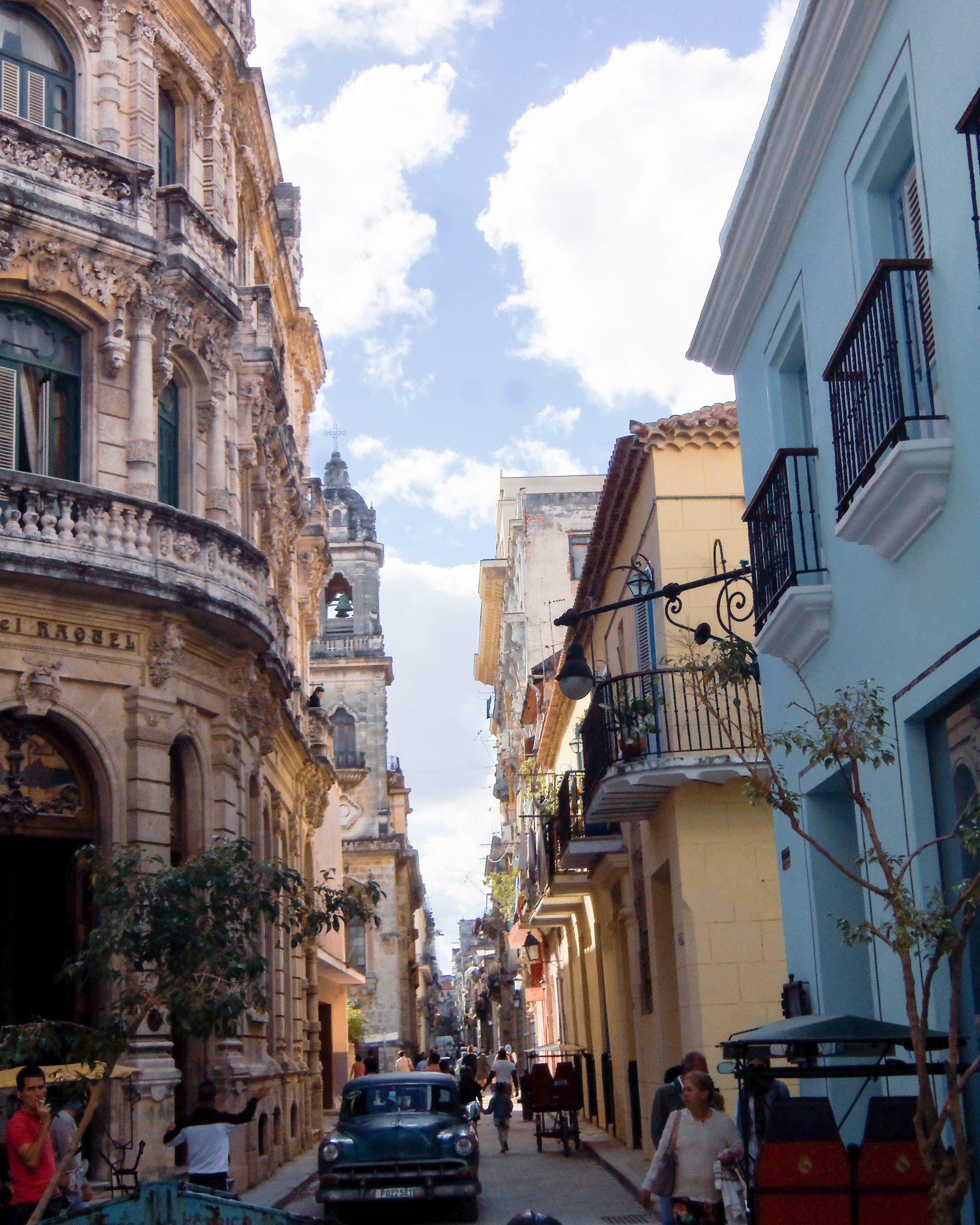
What You Need to Know Before Traveling
- Visa and Entry Requirements: Most travelers require a tourist visa, which can often be obtained through airlines at the airport. Check the latest entry requirements, as regulations may vary based on your nationality. When I traveled, as Panamanian, I obtained my visa at the airport counter before traveling. It cost $20 and it took me just a few minutes.
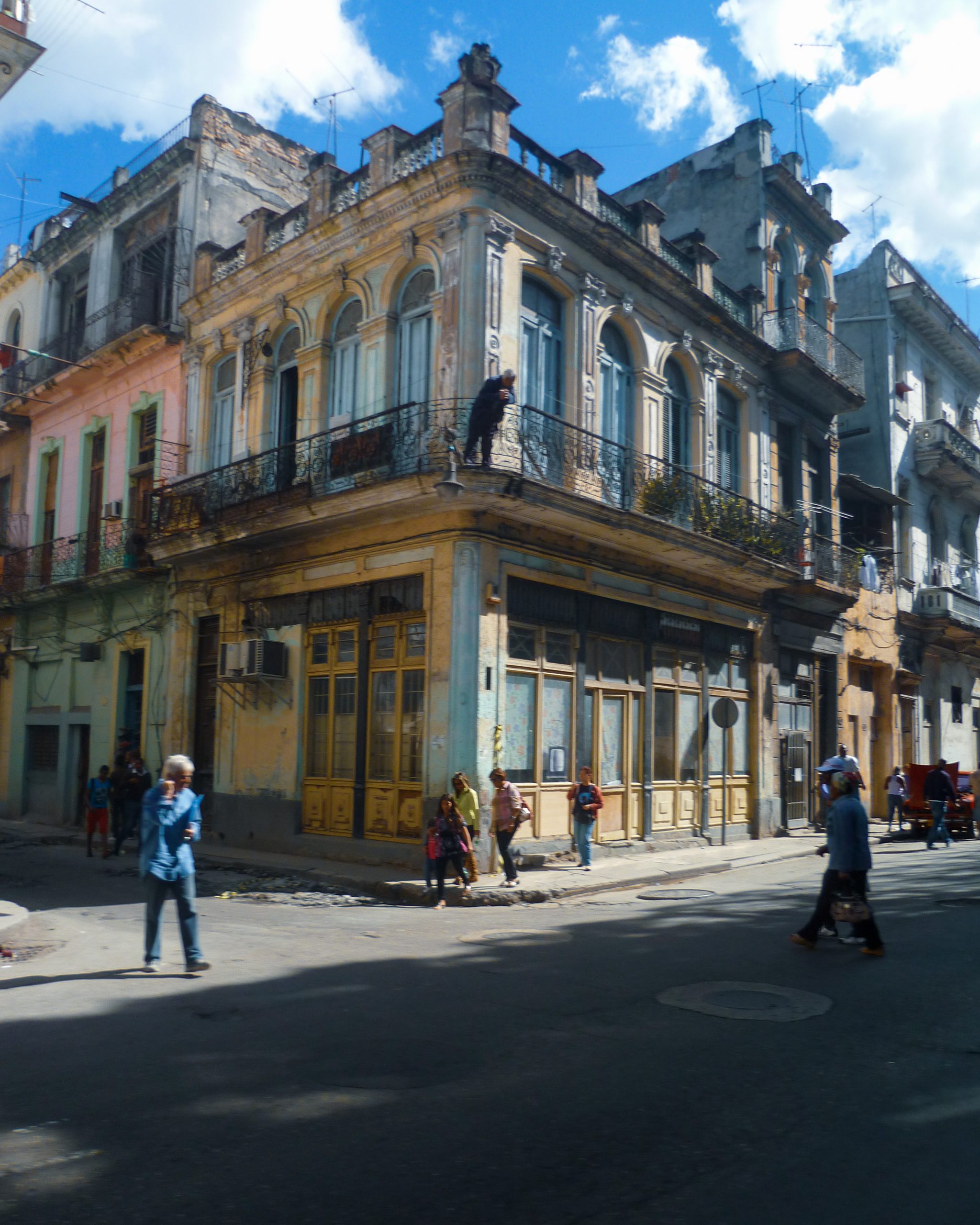
- Currency: Cuba has a dual currency system. The Cuban Convertible Peso (CUC) typically used by tourists for transactions and the Cuban Peso (CUP) used by locals.
- Accommodations: options range from luxury hotels to casa particulares (private homestays). Staying in a casa particular provides an authentic Cuban experience and an opportunity to interact with locals.

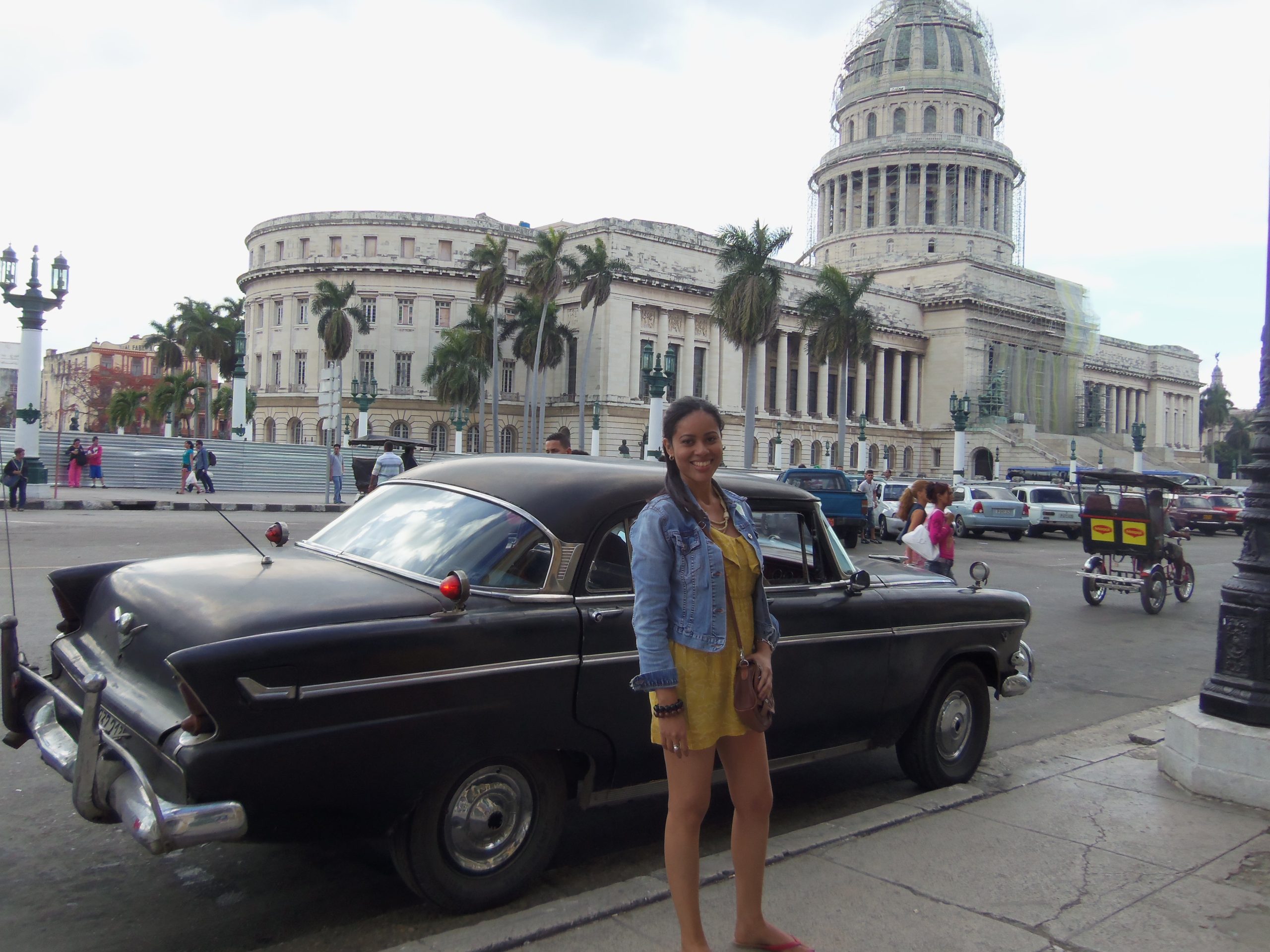
- Transportation: Havana’s transportation system primarily consist of taxis, buses and bicycle taxis (bicitaxis). You should also be able to rent a classic car for a unique way to explore the city.
- Safety: I personally felt safe at all times, even walking at night on the streets. However, as a tourist always exercise caution and be aware of your surroundings.
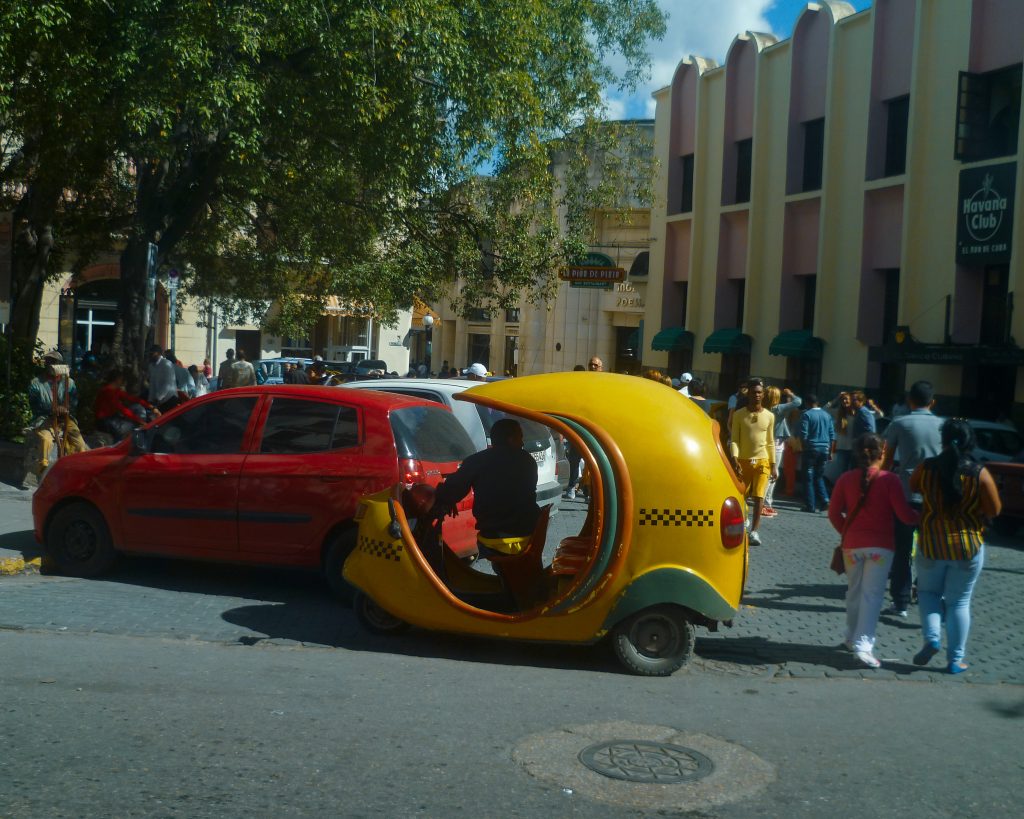
Things To Do
- Habana Bus Tour: it’s the easiest way to get around. Hop-on/hop-off double decker style buses that will take you to the main attractions around the Havana. Tickets can be purchased at the door. Make sure to check the stops and the hourly schedules.
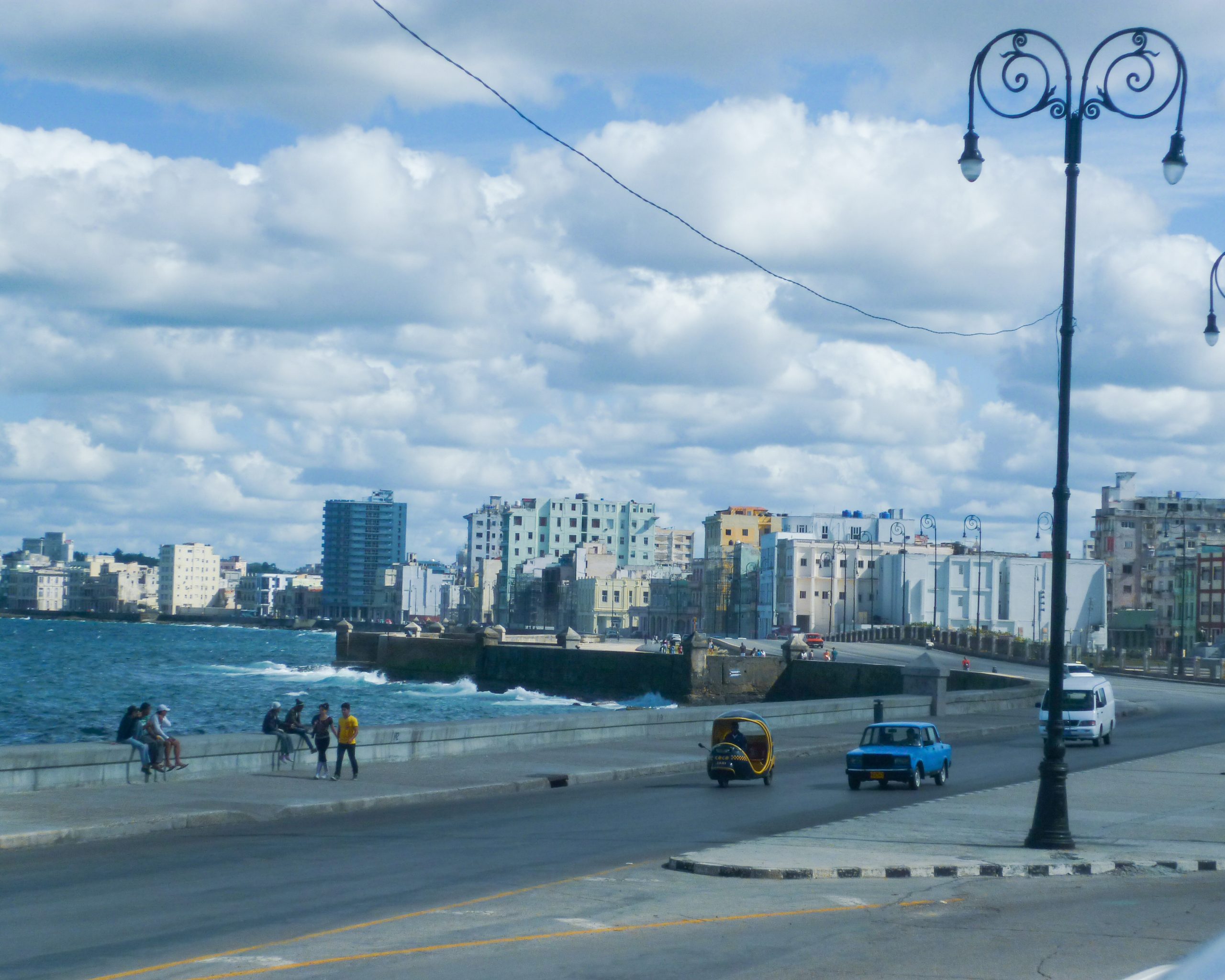
- Embrace Old Havana’s Timeless Charm: Wander through Plaza Vieja, where centuries-old buildings house lively cafes and artisan shops. Don’t miss the iconic Malecon, a seafront boulevard where locals gather to socialize and soak in breathtaking sunsets.
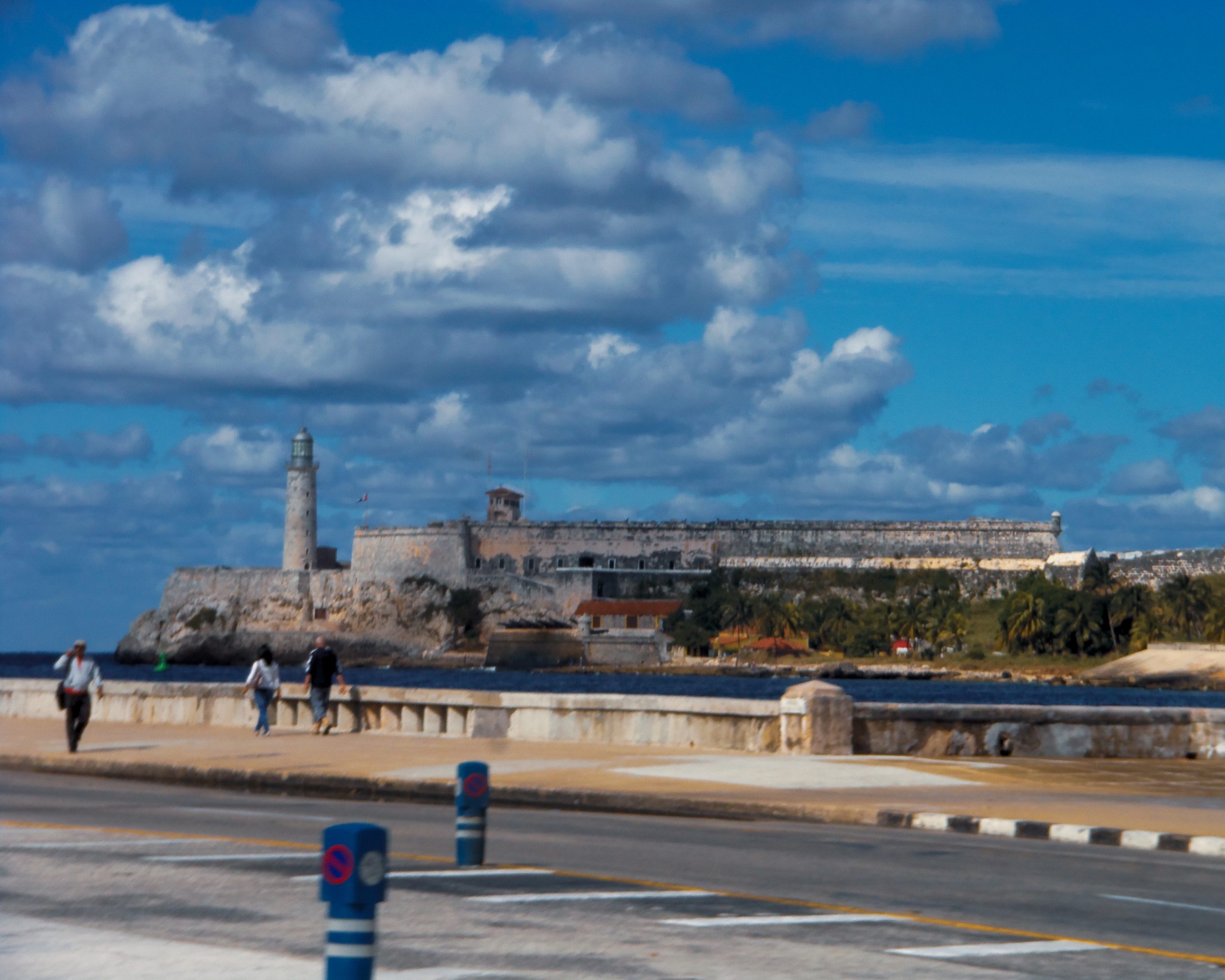
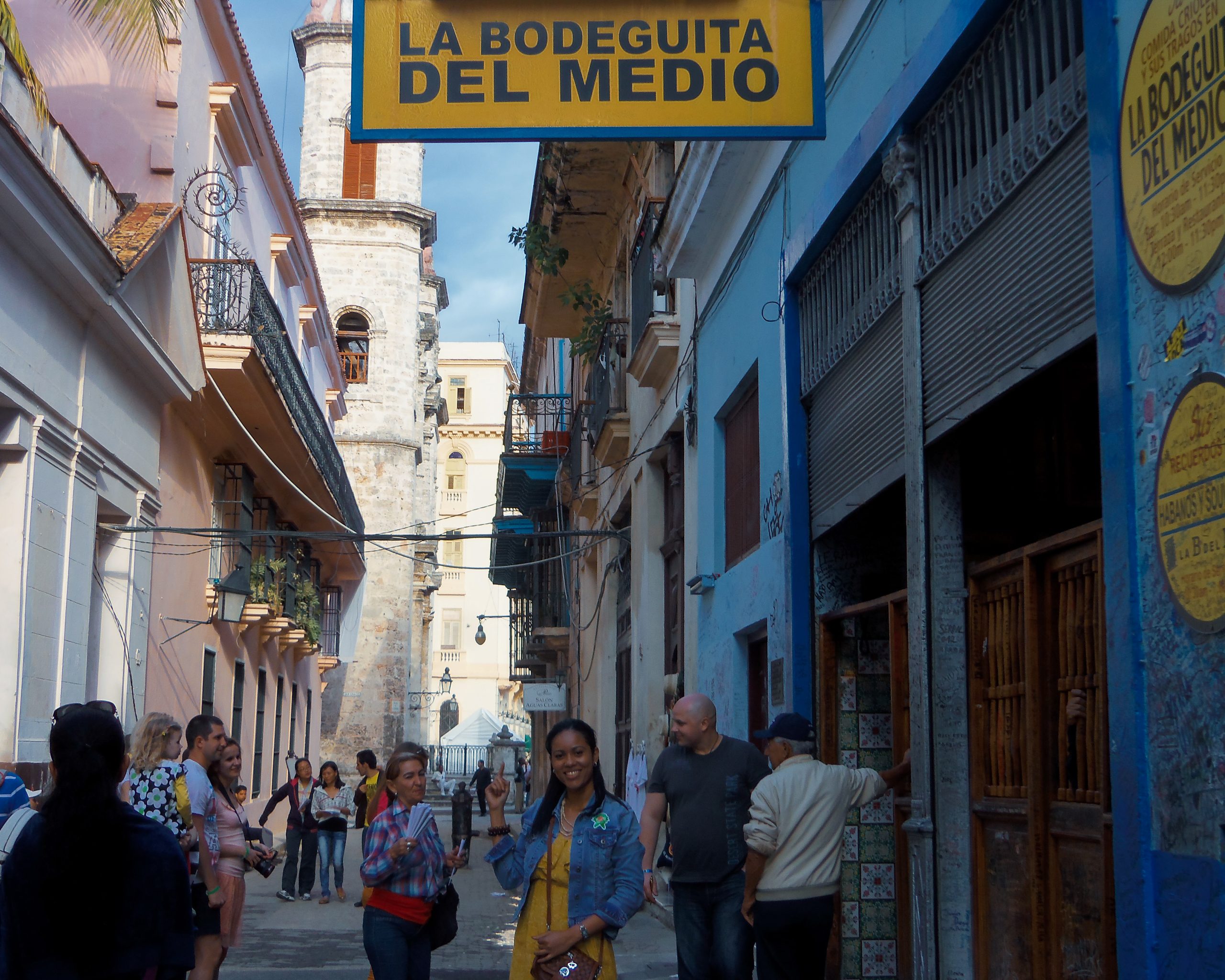
- Try the authentic Cuban Cuisine: sample a traditional dish at La Bodeguita del Medio, a legendary place frequented by Hemingway himself. For a taste of Creole dishes, head to La Guardia, nestled in a crumbling yet charming mansion.


- Drink a mojito cubano: Go to the Havana Club Museum for a full experience learning about the rum-making process and how the distillery and aging warehouses worked. Then enjoy a contemporary coctel in the bar.
Best Time to Visit
The best time to visit The Havana will depend of many factors and your preferences. I traveled in March and the weather was nice, cold at night and mild during the day. Here are some considerations to help you planning:
- Dry season (November to April): this is considered the peak tourist season due to the pleasant weather, with lower humidity and minimal rainfall. It’s ideal for exploring the city and enjoying outdoor activities.
- Wet season (May to October): this period experiences higher temperatures and increased humidity, with occasional rainfall, particularly in the form of short but heavy showers or thunderstorms. Despite the rain, you can still enjoy Havana’s attractions, just go prepared with rain gear and plan mostly indoor activities.
- Shoulder season (May, June, September and October): these months offer a compromise between the peak tourist season and the wet season. You could see fewer tourists and relatively lower prices during these months making them a budget-friendly option for travelers.
From all the things you can do and see around the Old Havana, immersing yourself with the locals it’s what will make your trip unforgettable.
Make sure to subscribe to the Blog for more travel content just like this one!
