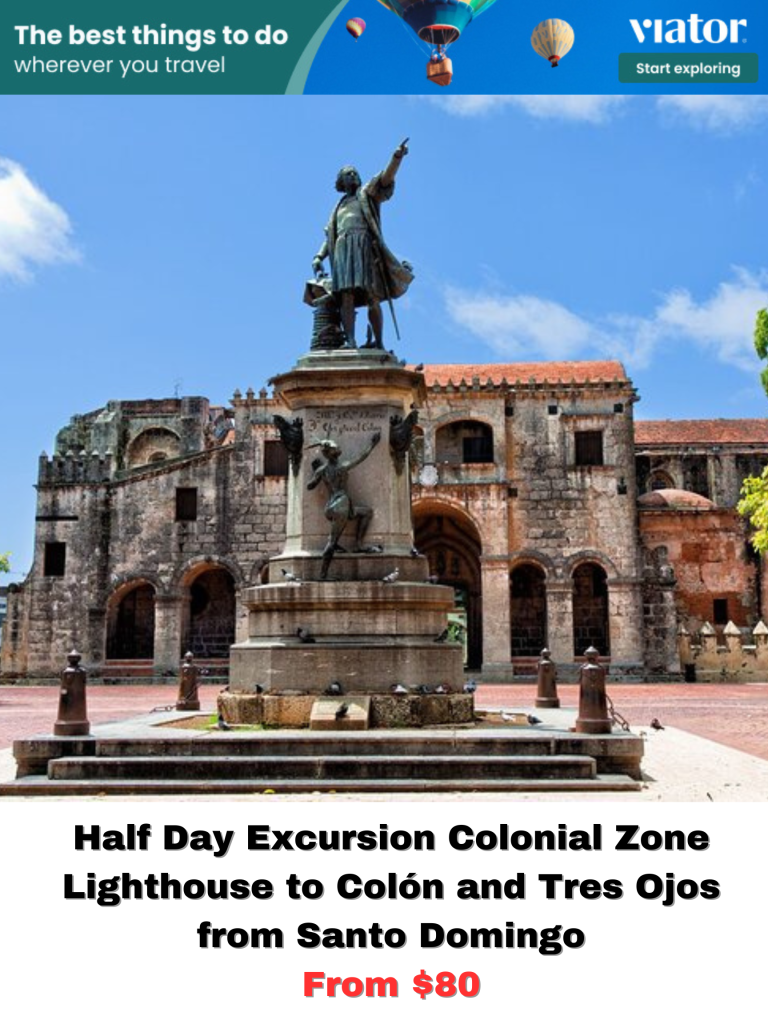
Stepping into the heart of Santo Domingo’s Colonial Zone is like taking a journey back in time with so many historic sites. The cobblestone streets and ancient walls are a testament to the legacy of the Dominic Republic’s past.
As you wander through the narrow alleys, you’ll find yourself immersed in the stories of conquistadors, explorers and of a city that has evolved over half a millennium. The imposing facades of historic landmarks, the vibrant culture and hidden treasures make the Colonial Zone a must visit destination for history enthusiasts, architecture aficionados and curious travelers alike.
So lace up your walking shoes and let’s embark on a journey through time, exploring the enchanting streets of Santo Domingo’s Colonial Zone.
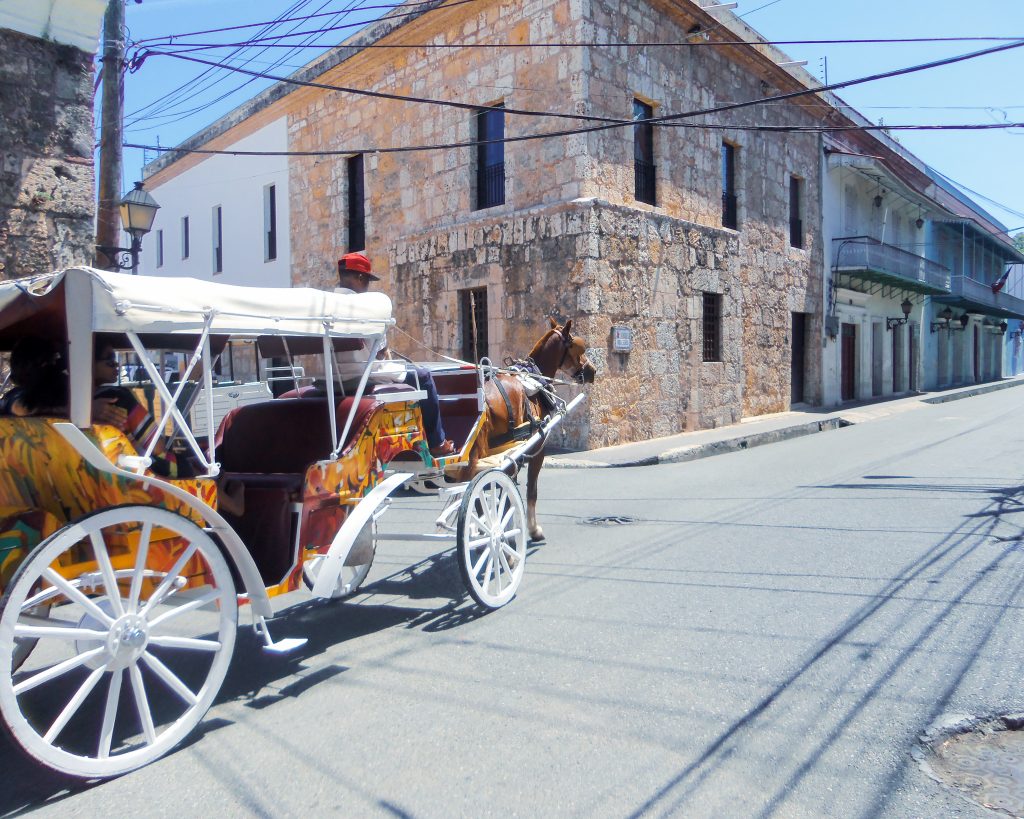
Sites You Cannot Miss
The Columbus Alcazar
One of the most popular sights in the Colonial Zone, as seen on postcards and adds, it’s the Columbus Alcanzar. This is a historic building known for its architectural significance and its connection to Christopher Columbus and his family.
The building was built between 1,510 and 1,1514 making it one of the oldest existing colonial buildings in the Americas. It was originally constructed as a family residence for Christopher Columbu’s son, Diego Columbus, who served as the Governor’s of the Indies.
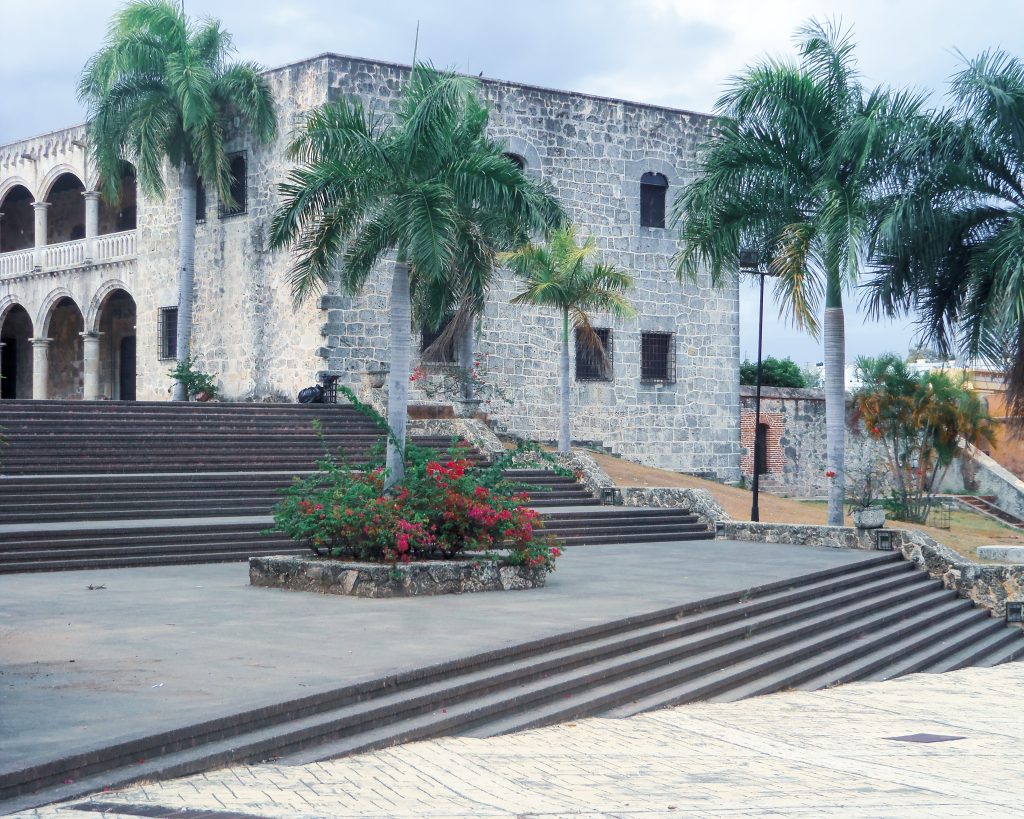
The Columbus Alcazar was the first stone palace built in the Americas. It played a significant role in the early colonial history of the region and served as the seat of Spanish colonial power in the Caribbean. It has undergone extensive restoration and preservation efforts over the years and it has also been designated a UNESCO World Heritage Site.
The Alcazar features lovely gardens with lush vegetation, fountains and sculptures. These gardens provide a peaceful retreat in the heart of the bustling Colonial Zone. From certain vantage points within the Alcazar, visitors can enjoy panoramic views of the surrounding historic district, including the Ozama Fortress and the Caribbean Sea.
Calle El Conde
It is not only a place of historical importance, but also a lively and dynamic part of modern-day Santo Domingo, offering a unique blend of cultural, culinary and shopping experiences.
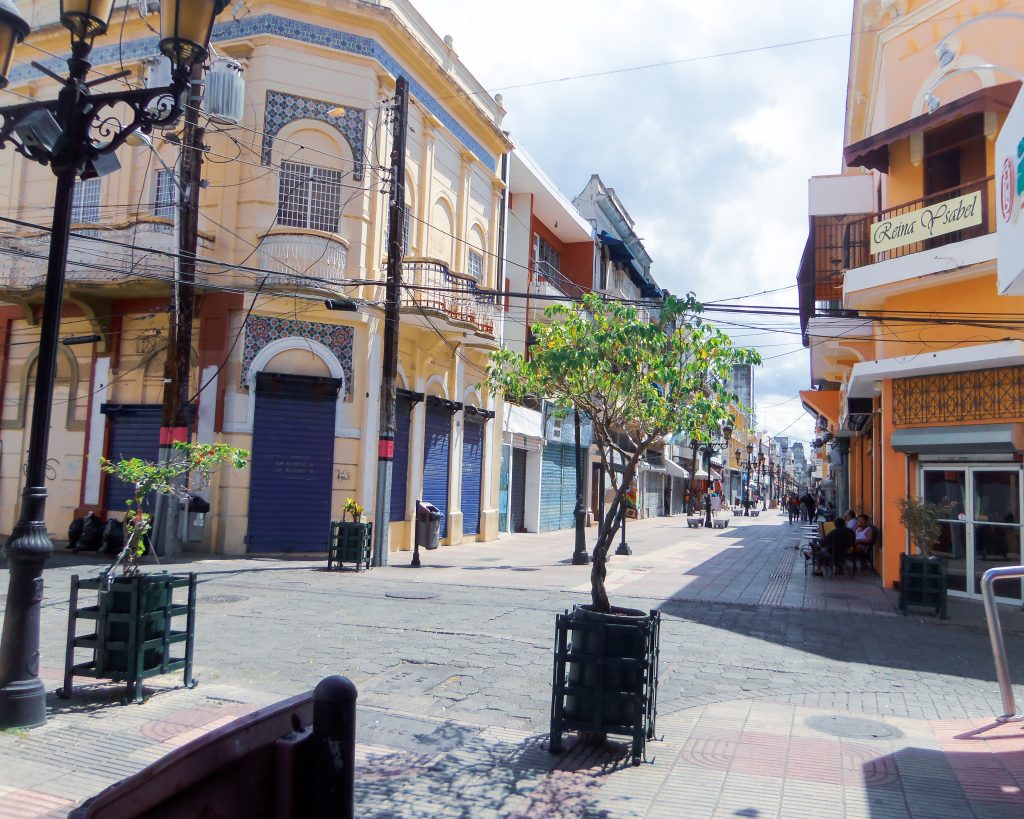
Calle El Conde is considered one of the oldest commercial streets in the Americas. It was originally laid out in the early 16th century and has been a hub of commerce and activity for centuries. The street was named in honor of Bernardino de Meneses Bracamonte y Zapata, who held the title of Conde de Peñalva. He was a Spanish nobleman who served as Viceroy of New Spain (Mexico) in the 17th century.
In 1992, Calle El Conde was converted into a pedestrian-only zone, making it a popular destination for both locals and tourists to stroll, shop, dine and enjoy the historic atmosphere without the distraction of vehicular traffic. The street is lined with a wide variety of shops, boutiques, art galleries and souvenir stores.
You can find everything from handmade crafts to high-end fashion. It also often features street performers, musicians and artists showcasing their talents. In the evenings, Calle El Conde comes alive with bars and nightclubs, offering a range of entertainment options for those looking to experience the nightlife of Santo Domingo.
Columbus Park
Columbus Park, located in the heart of the Colonial Zone, serves as a central gathering place offering a blend of history, culture and contemporary activities for all who visit. At the center of the park stands a bronze statue of Christopher Columbus. It’s a prominent and iconic monument dedicated to the explorer.
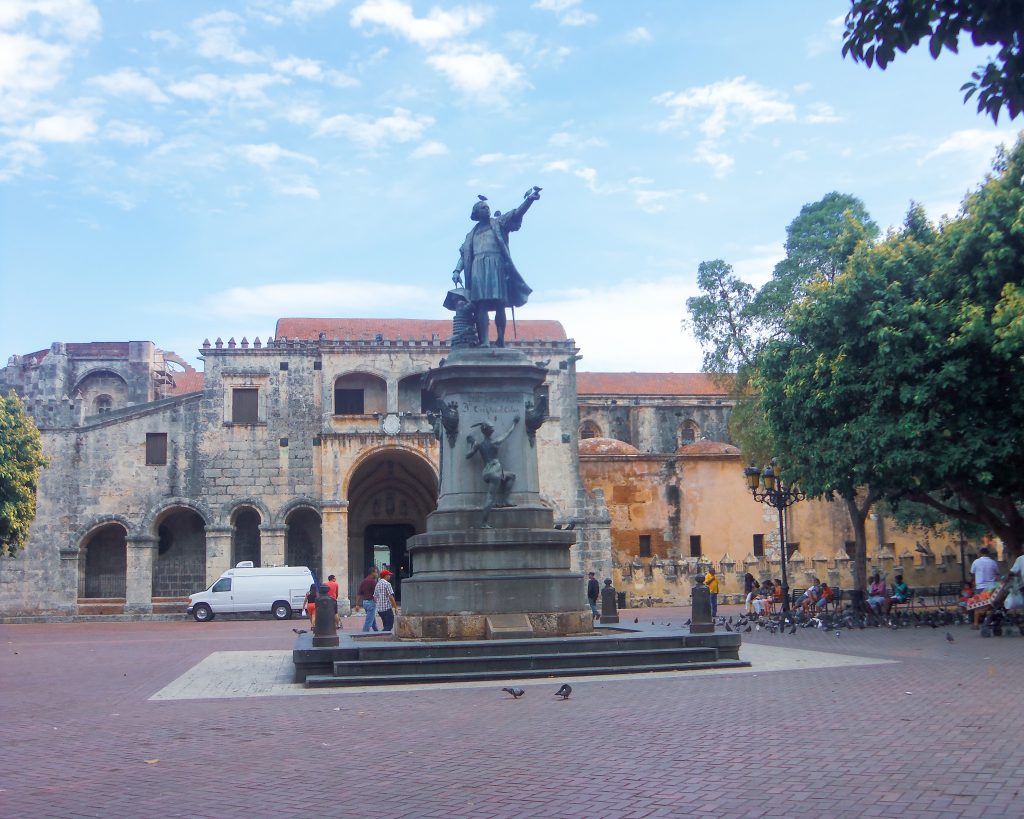
Over the years, Columbus Park has undergone several name changes. It has been known as Plaza Mayor, Plaza de Armas and Plaza de la Hispanidad, before being officially named Parque Colon in honor of Christopher Columbus.
Columbus Park is a hub of activity, especially in the evenings. The park is surrounded by restaurants and cafes, making it a popular spot for both locals and visitors to relax, enjoy a meal or have a drink while taking in the historic surrounding.
Fortaleza Ozama
Visiting the Fortaleza Ozama provides a fascinating glimpse into the history and architecture of the colonial period in the Americas. It is one of the oldest standing European military fortifications in the Americas, constructed by the Spanish between 1,502 and 1,505. The Fortaleza Ozama was designated a UNESCO World Heritage Site in 1,990 in recognition of its cultural and historical significance.
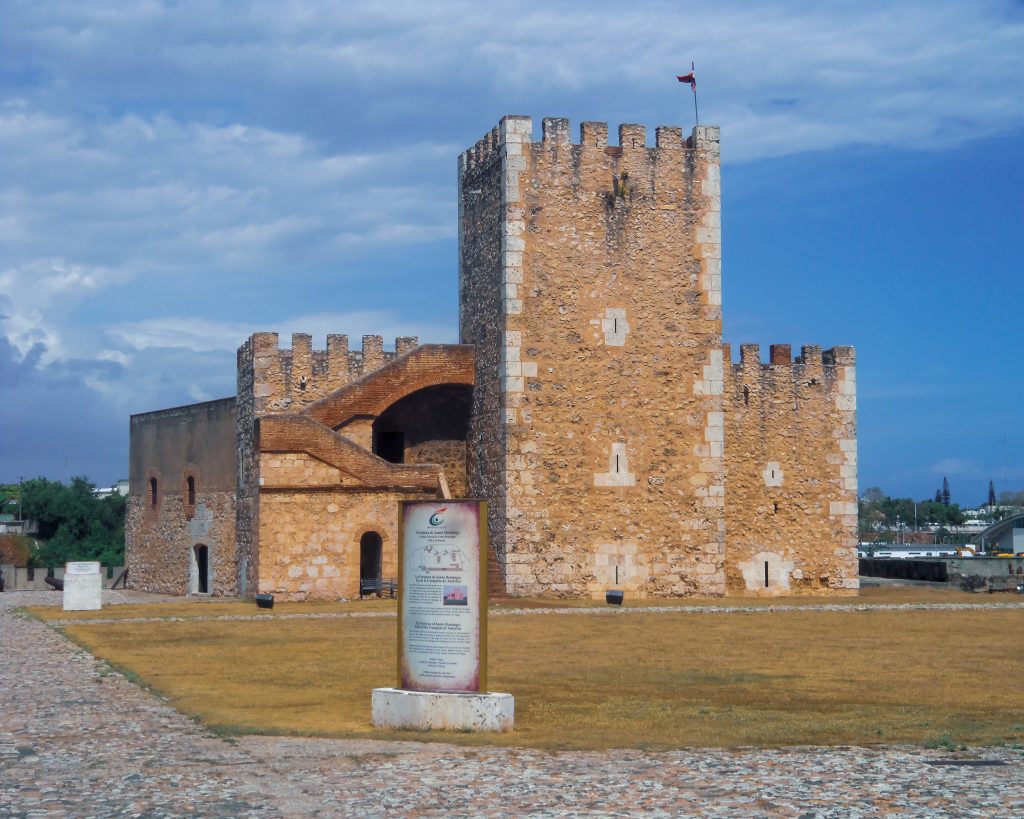
The fortress was strategically positioned at the mouth of the Ozama River to protect the city of Santo Domingo from potential attacks by sea. It displays a mix of architectural styles, reflecting the different periods of its construction and subsequent modifications, including elements of Gothic, Renaissance and Moorish design.
Throughout its history, the Fortaleza Ozama served various purposes including as a military garrison, a prison and a customs house. It played a central role in the administration of the Spanish colony. Today, the fortress is open to the public as a museum.
Visitors can explore its historic chambers, ramparts and courtyards while learning about its rich history through exhibits and guided tours. From the ramparts of the Fortaleza Ozama, you can enjoy panoramic views of the surrounding area including the Caribbean Sea, the Ozama River and the Colonial Zone.
The fortress has witnessed many important events in Dominican history including battles, political intrigue and changes in colonial rule. It stands as a testament to the resilience of the early settlers and the endurance of the city of Santo Domingo. Over the centuries, the fort has accumulated various legends and stories including tales of ghosts and paranormal activity; these add an intriguing layer to its historical appeal.
Cathedral Primada of America
The Cathedral of Santa Maria la Menor, commonly known as the Cathedral Primada de América, is one of the oldest and most significant religious structures in the Americas. Located in the Colonial Zone, it holds great historical and architectural importance.
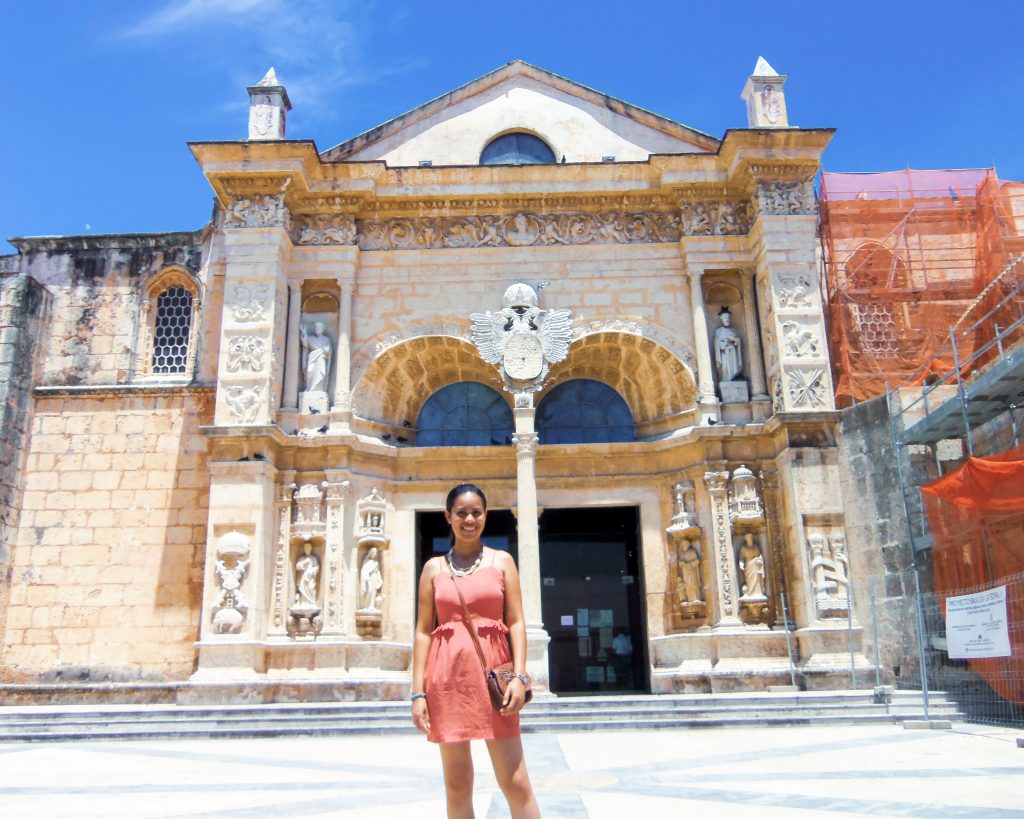
The Cathedral of Santa Maria la Menor was constructed between 1,521 and 1,540, shortly after the arrival of Christopher Columbus. Featuring a combination of architectural styles including Gothic and Renaissance elements, its construction reflects the evolving architectural trends of the time. It has a unique layout for a Spanish colonial church. It is built in the shape of a cross with a central nave and two side aisles, a design influenced by the cathedral of Toledo and Seville.
In 1,546 Pope Paul III granted the cathedral the status of “Primate of the Americas”, making it the first cathedral in the New World to receive such an honor.
The cathedral has undergone several restoration projects over the centuries to preserve its historical and architectural integrity. It is still an active place of worship and hosts regular religious services including Masses, weddings and other significant ceremonies. It also houses numerous valuable artifacts including religious relics, sculptures, paintings and altars.
The Colonial Zone of Santo Domingo is a historic and vibrant area filled with colonial architecture, cobblestone streets and cultural attractions. The proximity of all sites and the diversity of activities and establishments make the Colonial Zone a popular destination for tourists.
Make sure to subscribe to the Blog for more travel content just like this one!