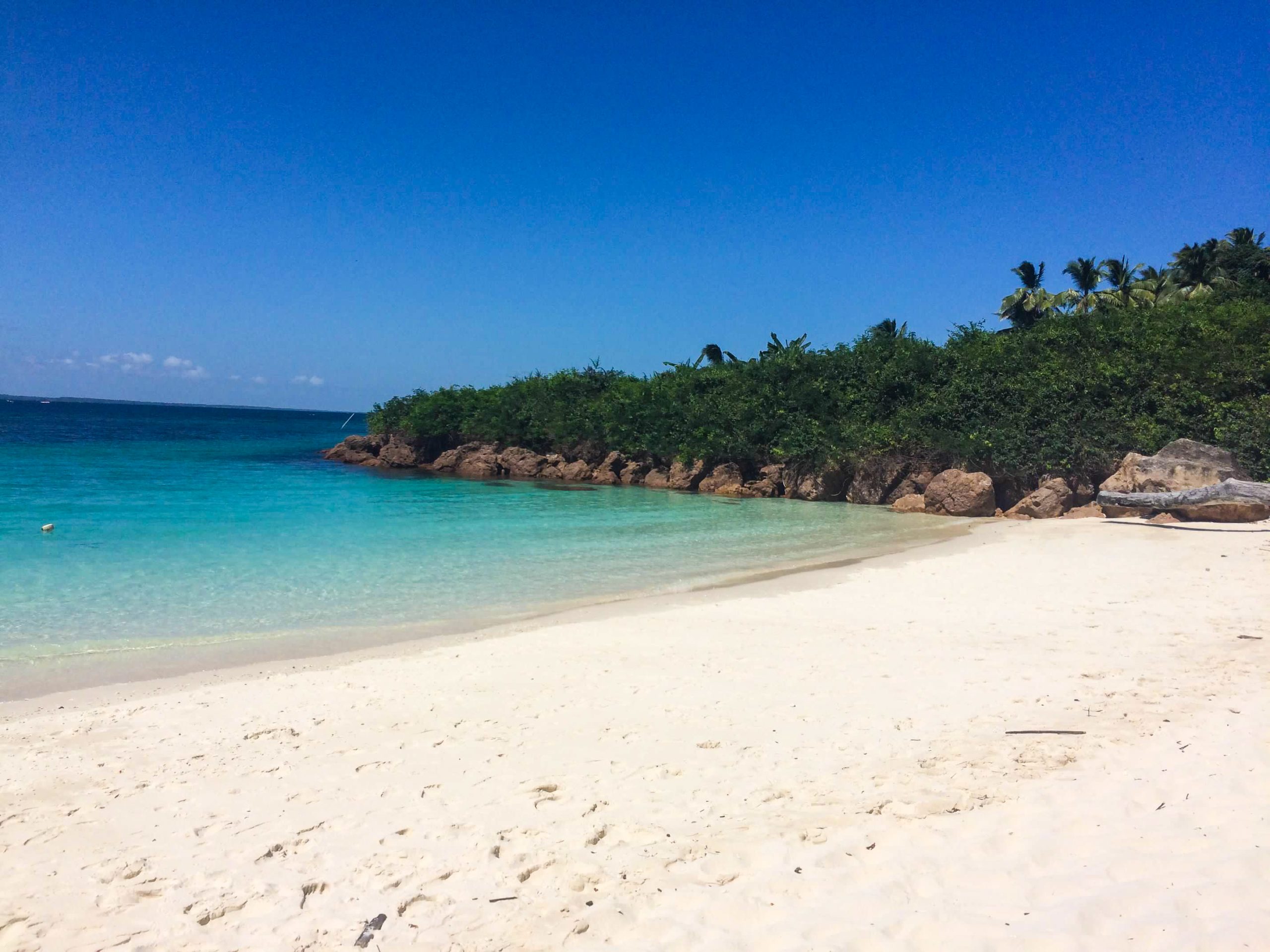
Isla Iguana, located in the Pacific waters of Panama’s Azuero Peninsula, it’s a protected wildlife refuge home to stunning white-sand beaches, vibrant coral reefs and unspoiled nature.
A Wildlife Refuge
Isla Iguana spans just over 50 hectares and is renowned for its ecological diversity.
The island is part of the larger Isla Iguana Wildlife Refuge, established to protect its delicate ecosystems.
The lush vegetation and surrounding reefs provide sanctuary to hundreds of species, including:
- Marine life: vibrant coral gardens, tropical fish, sea turtles and even manta rays.
- Birds: the island is the refuge of the biggest Frigate bird colony with more than 5,000 individuals. Other species, mostly migratory, are found on the island or close waters.
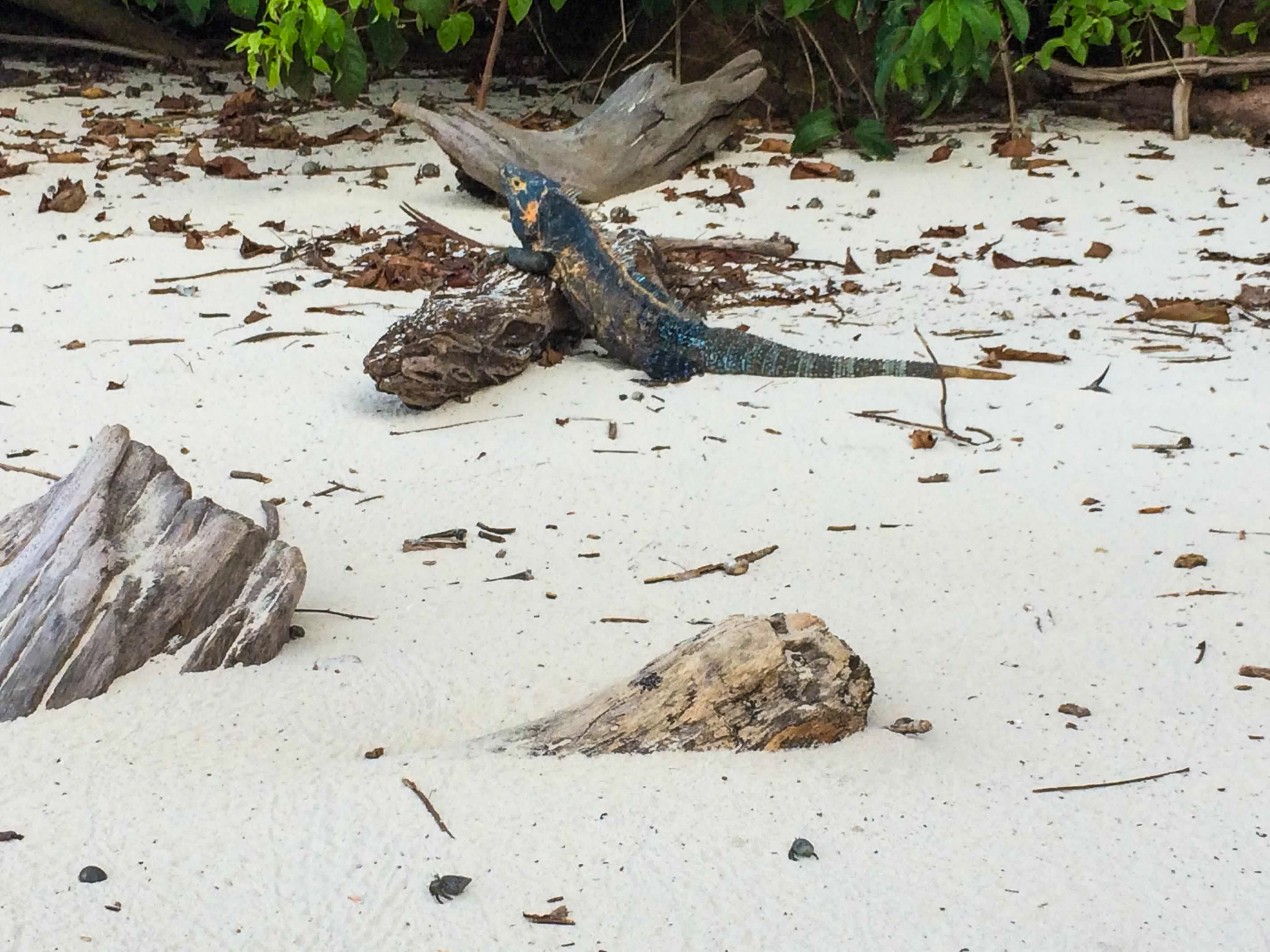
- Land animals: true to its name, Isla Iguana is home to several iguanas that roam freely across the island. They are everywhere and you can get to see pretty big ones. They are all inoffensive if you respect their space.
How To Get There
Isla Iguana is accessible via a short boat ride, approximately 20-30 minutes, from the coastal town of Pedasi.
Pedasi is located in the Azuero Peninsula in Los Santos province.
If coming from Panama City you will have a few options:
- Renting a car: it will be the most convenient option and the one I prefer just because it gives me the flexibility to explore more. The journey will take you about 5 hours but the drive in the highway is pretty easy. The best navigation system in Panama is Waze, so make sure to download it even before you land in Panama; if you can’t find an exact address try looking up a nearby landmark and go from there. Even though Pedasi is a rural town, the roads are paved; they are narrow in some places and you will find the occasional pothole. There are banks and gas stations easily accessible as well.
- Public Transportation: the most budget friendly if you are up to the task. You can take a bus from the Albrook Bus Terminal to Las Tablas; this trip will take about 5 hours and it cost around $9.50. From there you will have to take another bus to Pedasi for about an hour or so and it cost around $2.50. You could also take a taxi from Las Tablas. Keep in mind the buses run on schedule, in the Albrook Bus Terminal and in Los Santos, so make sure you check that and plan accordingly.

- Taking a shuttle: I haven’t try this one personally but it looks like a great option. The shuttle pick you up at the airport or hotel in Panama city and drop you off in Pedasi. You can check this operator for more details:
- Flying to Pedasi: the faster way to get there is with a domestic flight departing from the Marcos A. Gelabert International Airport. The flight takes about 45 minutes from Albrook. Once your flight lands you will have to arrange other ways of transportation to get to your final destination; I don’t recommend doing that last minute unless you are at a reasonable distance to take a taxi. If interested, you can check more in detail directly with these operators:
If staying in Pedasi, you can just take a taxi to get to the beach. Uber operates in Panama but because Pedasi is a small town there might not be as many available. Being said, it will be a good idea to always carry enough cash in small denominations.
Taxies in Panama don’t have a rate. Always ask how much is the trip before getting into the car. From Las Tablas to Pedasi you shouldn’t be paying more than $50.
Whichever option you choose, I recommend getting in the road as early as possible so you can find your way with no rush and arrive to your accommodation safe and sound.
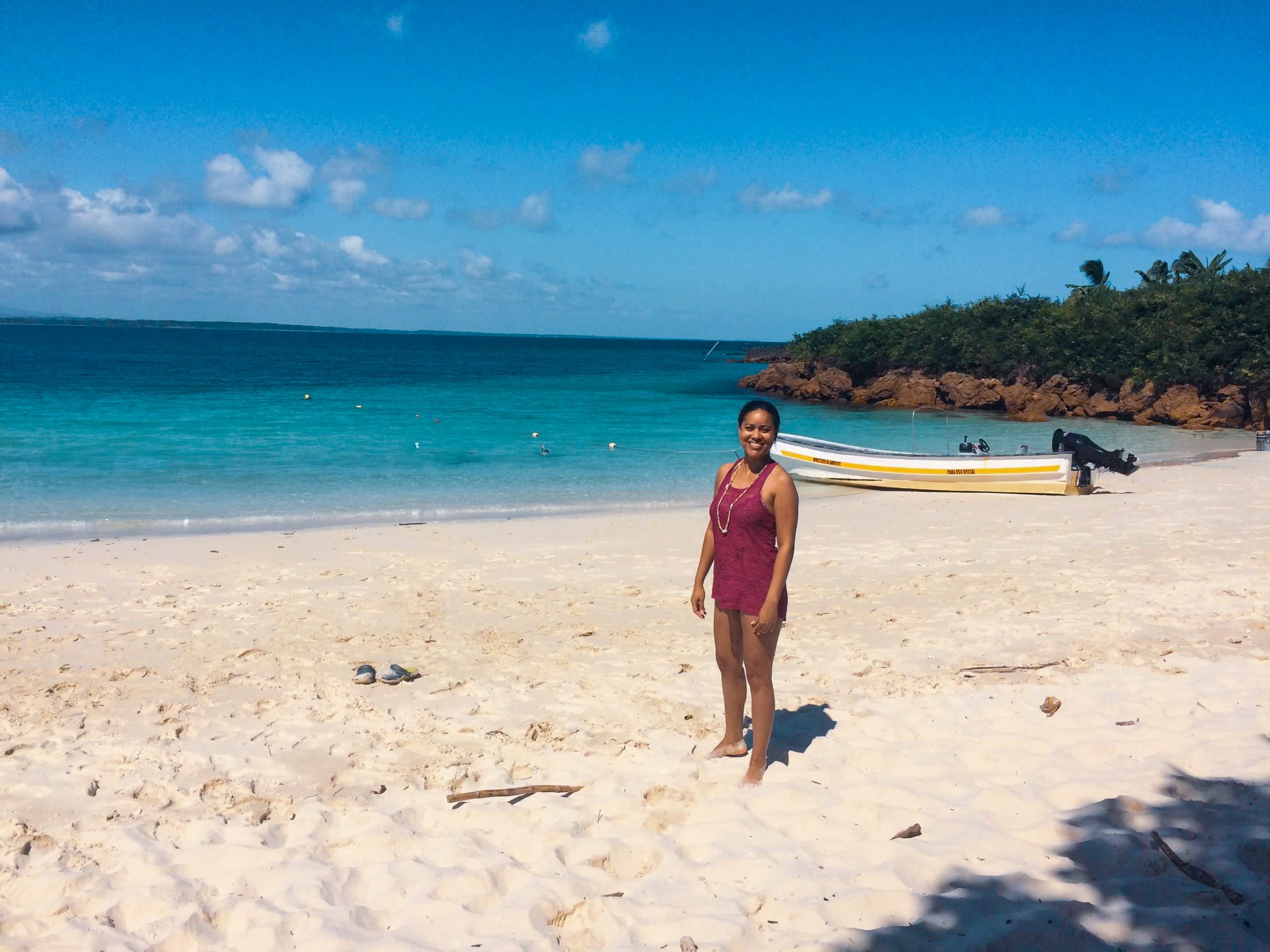
Once you get to Pedasi, boats can be arranged through tour operators or local fishermen along the shores of beaches like The Arenal or La Yeguada.
The fishermen can be spotted along the beach. They are usually nice humble people who knows the area and how to navigate the sea. You can coordinate the trip with them the day prior to your trip or you can just show up in the morning. They usually leave at 9am and return to land at 3pm.
This is how I did and I had a good experience. I arranged my trip the evening before, the gentleman confirmed the good weather and sea conditions and gave me a few recommendations I’m sharing here with you for your trip. We meet up in the morning, put our life jackets on and sail to the island.
Where To Stay
I recommend staying in Pedasi for a few days, it’s a small cute little town where you can experience the Panamanian culture. This way you will also have some wiggle room in case of inclement weather.
I rented this Airbnb in Pedasi right in front of the beach and it was the perfect vacation.
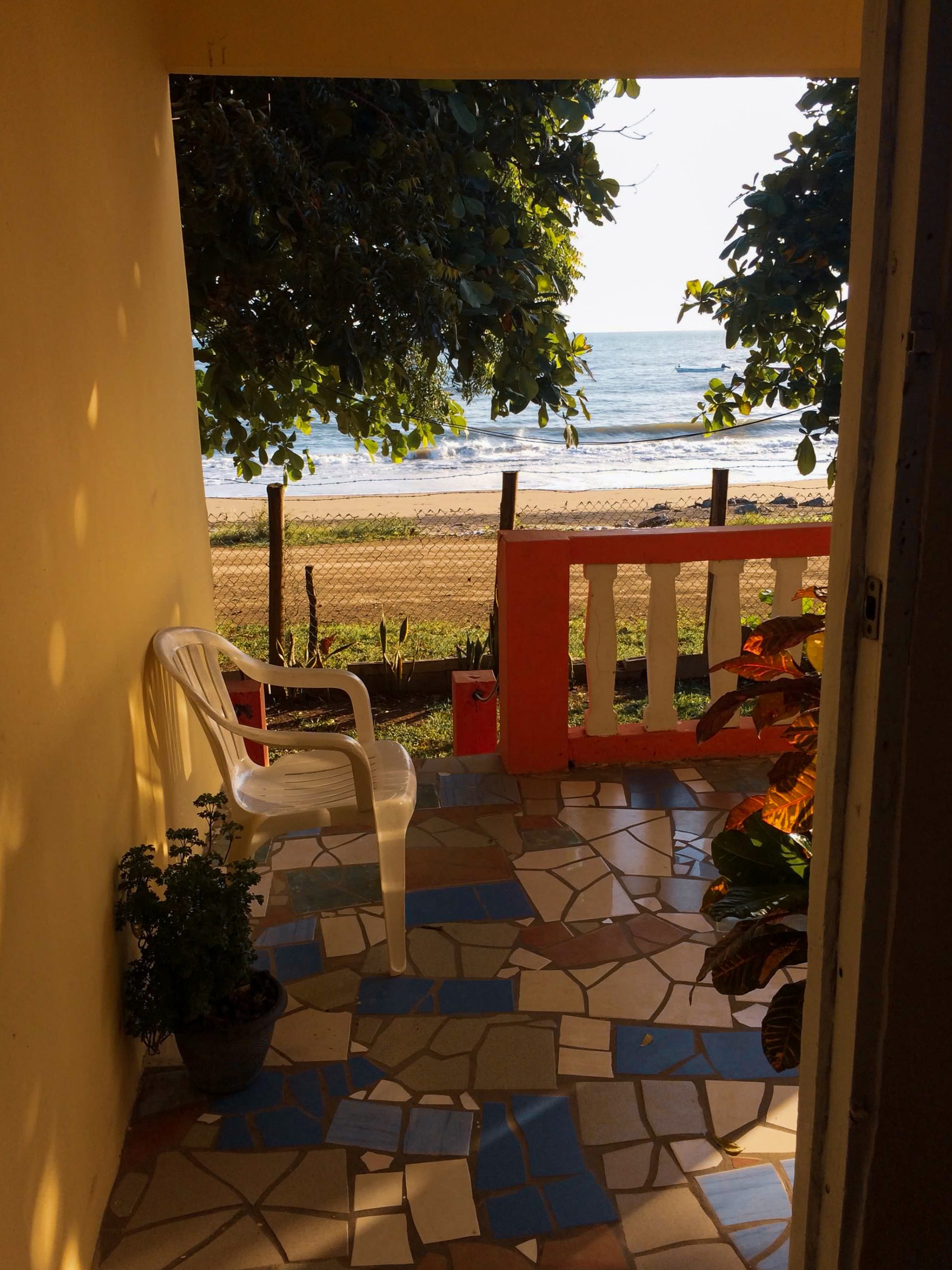
Here there are a few other options in Pedasi:
- Selina River Venao, Playa Venao
- Hotel Casa Lajagua
- Hotel Punta Franca
- Residencial Santa Catalina
- Eco Venao Lodge
How Much Does It Cost
There is a small fee of $4 for residents and $10 for non-residents once you get to the island. This helps fund the preservation efforts.
When it comes to transportation, it will depend on what you choose:
- If traveling with a local fishermen, the boat ride roundtrip is approximately $70 for a party of 7 people max. This is how it cost me when I visited back in January of 2020 sailing from the beach La Yeguada. Remember, there is not a fix price for fishermen, they usually quote you on the spot and the price might differ by the person and location where you are trying to sail.
- If you choose a tour operator, the trip could cost anywhere from $45 to $150 per person and inclusions will vary.
What Can You Do In The Island?
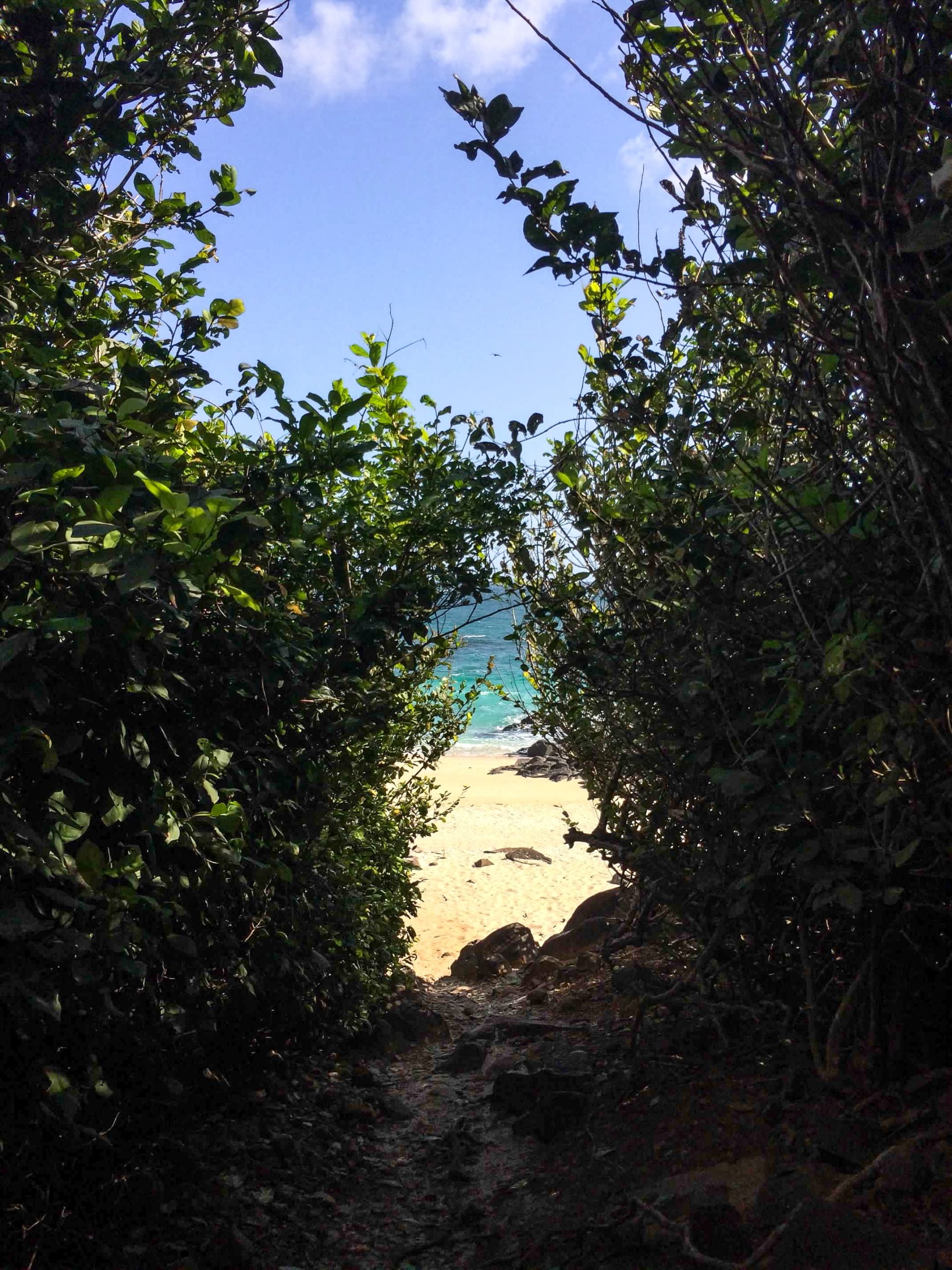
Isla Iguana is a paradise where you can just relax or adventure in nature.
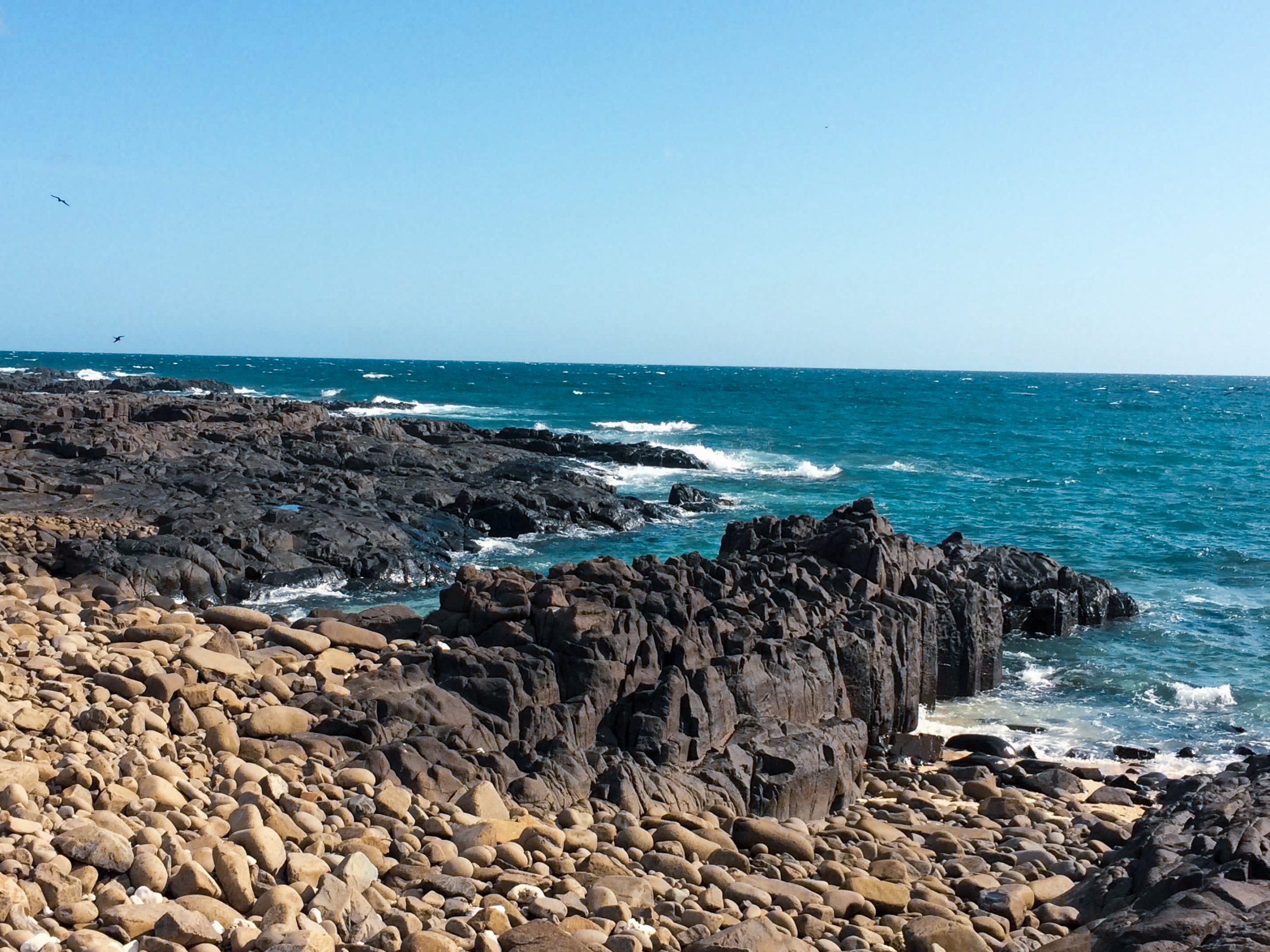
Besides sunbathing in the powdery white sands of beach El Cirial or beach El Faro; these are some other activities you can enjoy:
- Snorkeling and diving: the coral reefs around the island are among the most diverse in Panama.
- Wildlife watching: bring your binoculars to observe birds and other exotic species in their natural habitat.
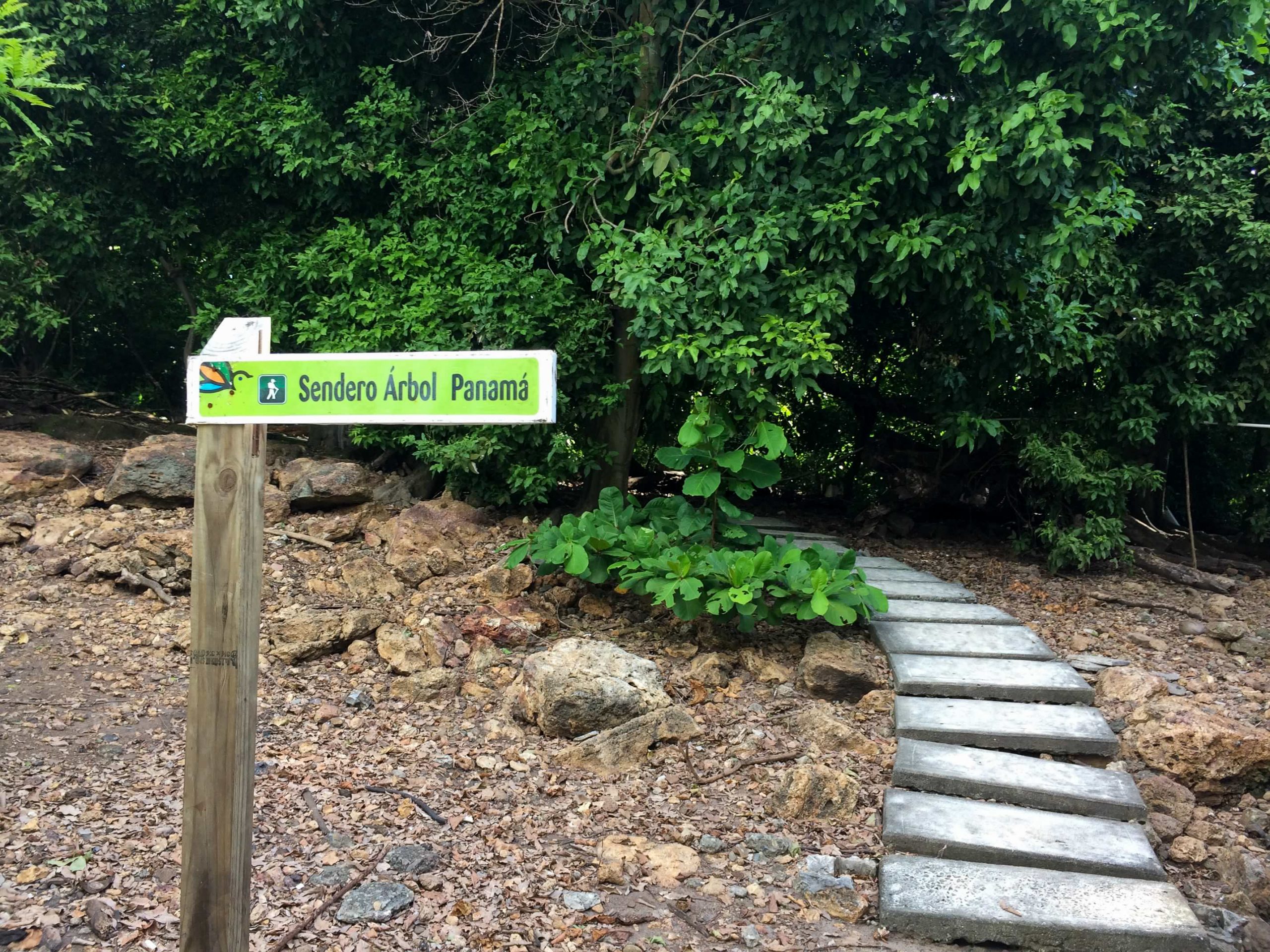
- Hiking: the island has short trails that leads you to scenic views while also offering a closer look at its flora and fauna.
When To Visit
There is a chance to spot humpback whales if traveling during the right season, between July and October.
However, the best time to visit Isla Iguana is during Panama’s dry season, from December to April, when the weather is sunny and the waters are calm.
What You Need To Know Before You Go
Here there are a few things to take into consideration when planning your trip:
- When you arrive to the island a Ranger will welcome the group and will give you some indications. Here is where you will pay the fee and you will also need a copy of your passport or ID if you are Panamanian.
- It’s imperative to check the weather. Your boat captain won’t get in the water if there is bad weather but you want to doble check the forecast just in case. To get to the island you have to cross the open ocean and sometimes it can get a little choppy.
- Pets are not allowed in the island.
- There are not facilities on the island to buy or rent anything. Bring your own water, food, beach essentials such as sunscreen, hats, sunglasses, swimsuit. Pack a roll of toilet paper as well.
- You will want to go for a hike so also pack a pair of sturdy sandals or sneakers.
- Bring your own snorkeling equipment.
- It doesn’t happen often but, pack Caladryl or some sort of cream in case of a jellyfish sting.
- It is prohibited to consume alcohol, to smoke and to listen loud music in the island.
- Practice the Leave No Trace principle. Take all your trash back with you to land.
- Do not walk over corals. Every step will make a hole that will take the coral 5 years to heal.
- Do not take “souvenirs” with you. Everything in the island is protected including shells and the sand.
- Recreational fishing is only permitted outside of the coral areas.
Is Dangerous Traveling To Isla Iguana?
Absolutely not. Isla Iguana is carefully monitored by the rangers because it’s a wildlife refuge, everyone who arrives in the island most be logged. The check-in process also helps rangers account for all visitors, ensuring everyone safely departs the island by the end of the day.
Pedasi is also very safe. Rural areas in the country side of Panama are generally considered safe. People are very warm, conservative and respectful. This doesn’t mean crime does not happen at all but it’s very rare. Just like everywhere you go, use your own judgement and take precautions.
When it comes to the boat ride, ensure the captain is experienced and is equipped with life jackets.
While the island wildlife, such as iguanas and birds, are non-threatening, respect their space and avoid feeding them or touching them.
The island has no medical facilities so bring some basic first aid supplies and just be extra cautious exploring around.
If you plan to snorkel or swim, ensure you are comfortable in the water and aware of currents. Swim in groups and stay close to the shore. There are not lifeguards on the island’s beaches. The waters around the island are generally calm, specially in the beach but it’s important to remain cautious.
Isla Iguana is a true treasure of Panama, offering a blend of exotic relaxation and adventure. This island promises an unforgettable experience as one of the most enchanting Panama’s destinations.
Make sure to subscribe to the Blog for more travel content just like this one!
