***Some links in this post may be affiliate links. If you make a purchase through one of these links, I may earn a small commission at no extra cost to you. Please read the Affiliate /Third-Party Disclosure and Disclaimer here. Thank you!
Embarking on a journey into the heart of jazz, soul and Creole culture, join me as I unravel a 4 day escapade through the lively streets and historic corners of New Orleans. Let’s discover the hidden gems that make the Big Easy an unforgettable destination.
The nickname “The Big Easy” is believed to have originated in the early 20th century, although its exact origin is somewhat unclear. Some believe it emerged from the city’s association with jazz music, a genre known for its improvisational and easygoing style, flourished in New Orleans.
Another theory suggest that the nickname was coined as a contrast to New York City, which is often referred to as “The Big Apple”. The idea was that New Orleans was an easier, more laid-back city compared to the hustle and bustle of New York.
I found 4 days to be enough to explore the main attractions. I do recommend staying somewhere nearby to the French Quarter, a radius of 15 minutes away would work, to move around easier because traffic can be a little heavy. I didn’t need to rent a car, an Uber was available at all times and there are plenty of tours including transportation.
To find accommodations near or in the French Quarter check here.
Day 1 – The Plantations
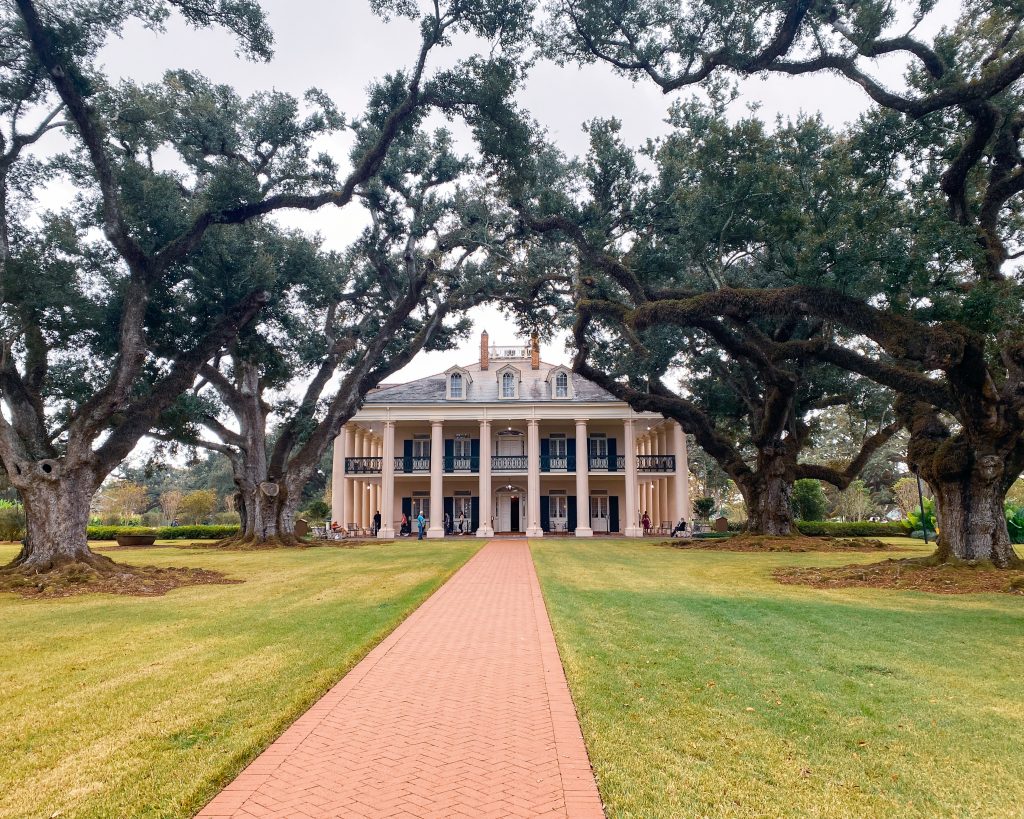
The expansion of sugarcane cultivation, the white gold of the era, was closely tied to the institution of slavery in Louisiana. Large plantations emerged along the riverbanks, particularly in the River Parishes, where fertile soil and subtropical climate were conducive to sugarcane growth. Enslaved laborers were heavily involved in the labor-intensive process of planting, harvesting and processing sugarcane.
Today, plantations serve as educational venues, allowing visitors to gain a deeper understanding of the complex history of the American South, including aspects of slavery, agriculture and Southern culture. Many plantations offer guided tours, exhibits and interactive programs to engage visitors.
Plantations are often known for their grand and well-preserved architecture, including stately mansions, slave quarters and other structures. The opulence and elegance of these estates showcase the wealth and lifestyle of the plantation owners in the 18th and 19th centuries.
The sprawling grounds of plantations often feature beautiful gardens, live oaks alleys and scenic landscapes. Visitors can enjoy a leisure stroll through these areas, appreciating the natural beauty that surrounds these historical sites.
The trip to the plantations takes about 45 minutes from the French Quarter. Most of them are close to each other. The most popular like Oak Valley Plantation and Whitney Plantations are open to the public on a regular basis for tours but other plantations around the area require a visit to be scheduled before hand.
You will be most of the time outdoors so plan to dress accordingly. Separate timed tickets are required to tour the interior of the mansions. I recommend arriving early or at least check the time of the last tour of the mansion to make sure you don’t miss it.
Whitney Plantation
Address: 5099 LA-18, Edgard, LA 70049.
Hours: Wednesday to Monday from 9:30am to 4:30pm. Closed on Tuesdays.
Admission: adults $25. Children 6-19 $11. Students, senior and military $23.
Oak Alley Plantation
Address: 3645 LA-18, Vacherie, LA 70090
Hours: Monday to Sunday 8:30am-5pm
Admission: adults $27.79. Youths 9.27. Seniors $25.01
Looking for a tour? I recommend this tour with transportation from New Orleans.
Day 2 – Swamp Tour
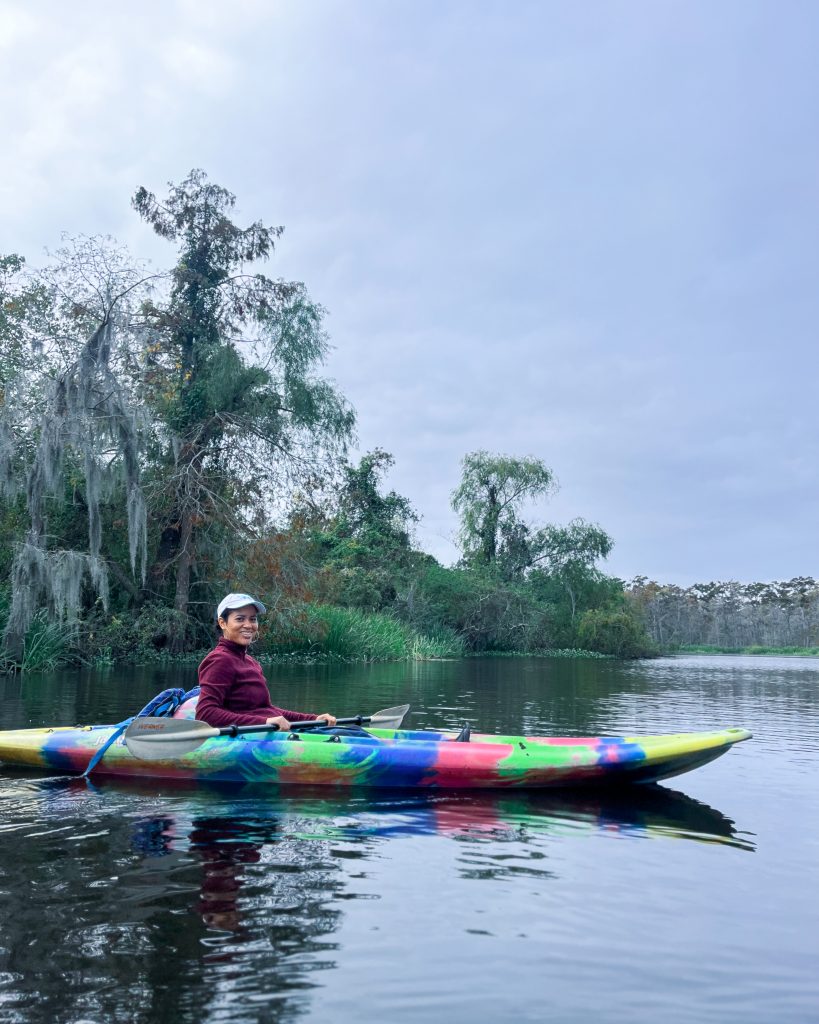
Tourists have the opportunity to explore the beauty of Louisiana’s wetlands through guided swamp tours. My choice was a kayak tour in the Manchac Wetlands, part of the larger Maurepas Swamp and home of incredible biodiversity. I recommend this guided tour with transportation from New Orleans.
The wetlands are home to various plants and animal species including cypress trees, tupelo gum trees, alligators, turtles, snakes and numerous bird species.
The iconic Spanish moss draping from the trees is a common sight in the Manchac Wetlands adding a touch of mystique to the swamp landscape.
Within the Manchac Wetlands, there’s a sunken ghost town known as “Manchac”. The town was once a thriving community but sank below the waterline due to a combination of logging, subsidence and natural processes. The remains of Manchac are submerged but can sometimes be seen during periods of low water.
Go prepare with sunscreen, bug repellent, water and snacks.
Day 3 – The Garden District
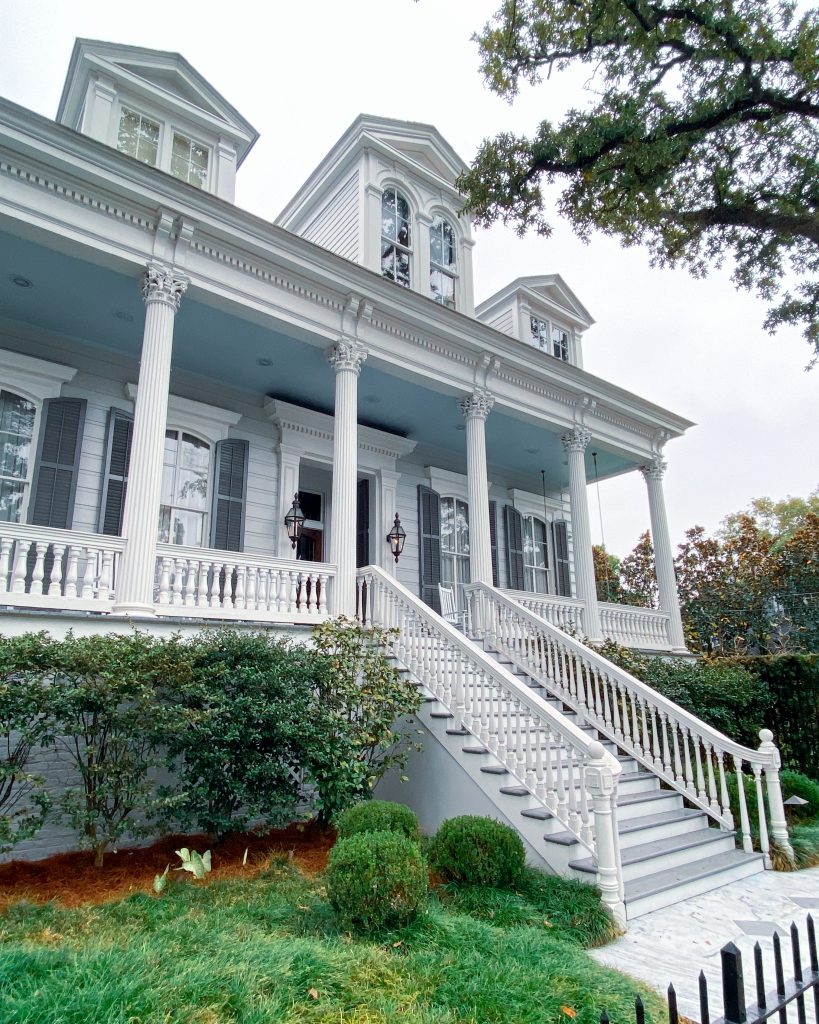
The Garden District is a neighborhood known for its beautiful mansions, Victorian homes, tree lined streets with majestic oak trees and unique character. The architecture reflects Greek Revival, Italianate and Gothic Revival styles showcasing the wealth and opulence of the area’s 19th century residents.
Something very common in the houses are the balconies and galleries adding charm to the streets.
Fun fact: all galleries are balconies, but not all balconies are galleries. A balcony has no supports, while a gallery is deeper and must be supported by posts or columns. Try to find as many balconies and galleries in your next visit to the Garden District.
Over the years, the Garden District has been home to several celebrities including Sandra Bullock and John Goodman. Also, movies have been filmed around like “Interview with the Vampire” featuring Tom Cruise and Brad Pitt.
The area is home to some classic New Orleans culinary experiences. Magazine Street, which runs through the Garden District, is lined with a variety of shops, boutiques, cafes and restaurants offering a taste of Southern hospitality.
I recommend dedicating a day to walk around the Garden District. Have lunch in one of the many cafes in the area and then join a walking tour like this one. Even though the neighborhood is safe, a guide can take you to all the landmarks and give you insights about the history behind them.
Day 4 – The French Quarter
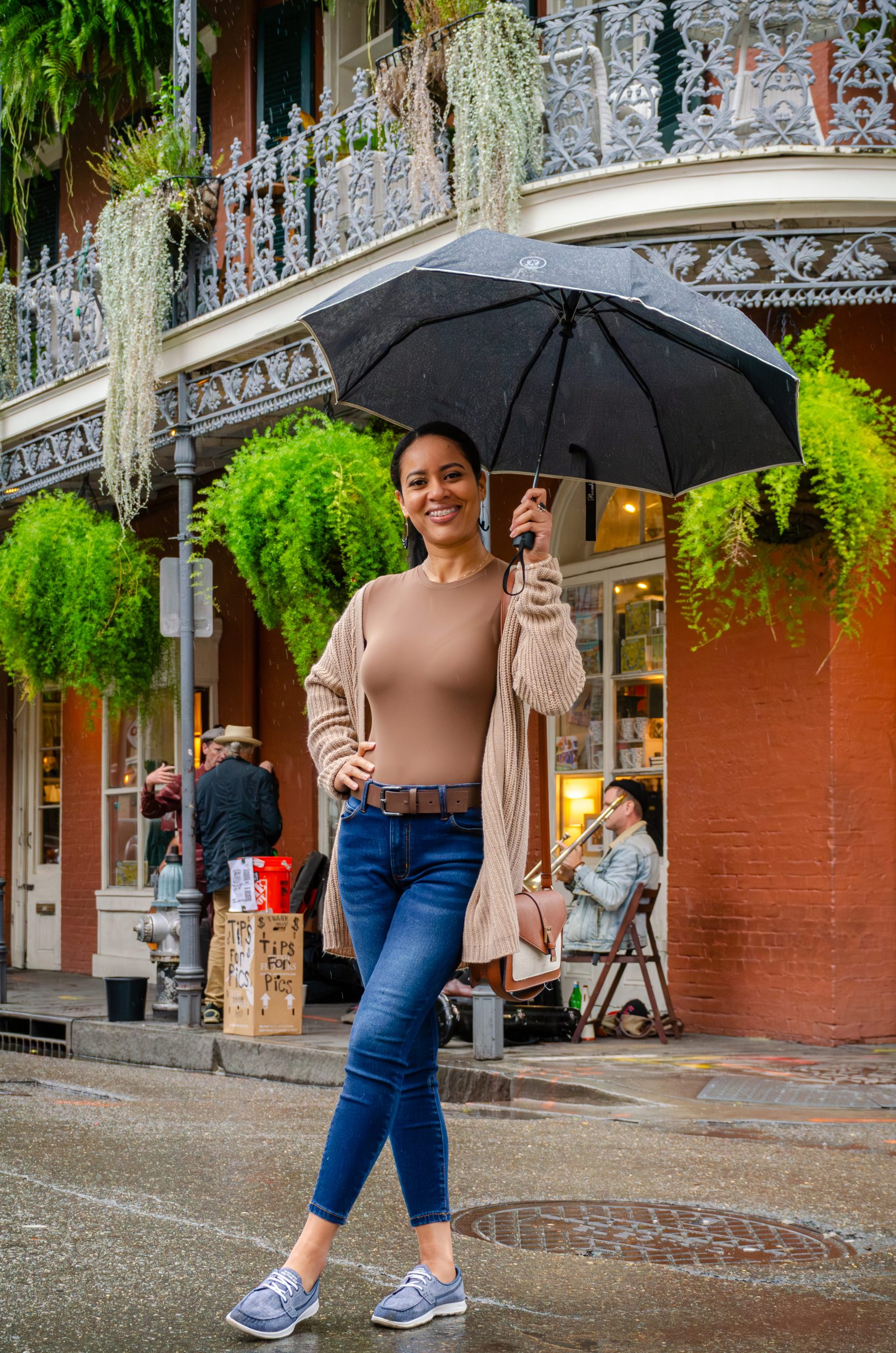
Last but not least, the well known French Quarter, situated in the heart of New Orleans.
You will feel transported to another era while wandering through the narrow streets, lined with elegant Creole townhouses adorned with cast-iron balconies.
The famous Bourbon Street is a sensory adventure. Lined with neon lights, bars open most of the time, street performers, colorful shops, loud drums, parades and the list goes on.
The blend of history, music, cuisine and culture makes the French Quarter an immersive experience.
From the lively atmosphere of the Bourbon Street to the moss-draped tranquility of the Manchac Wetlands, this 4 day trip was more than I expected. New Orleans is a beautiful city with so much diversity. The warmth of its people and the unique blend of resilience has left an indelible mark on my heart.
Make sure to subscribe to the blog for more travel content just like this one!
